Why Are My Isopods Dying? 8 Common Causes and Fixes
By Kernow Isopods · Truro, Cornwall
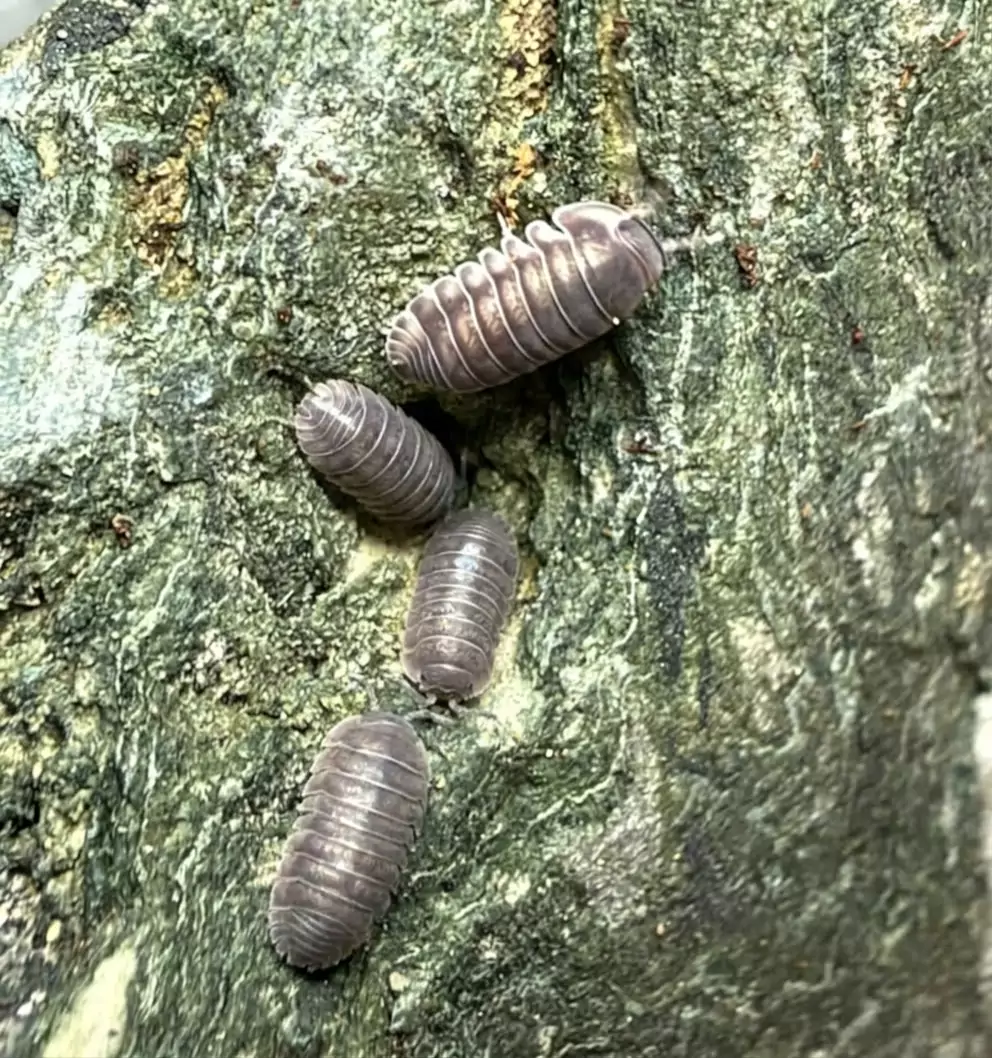
Losing isopods is frustrating, but it's almost always one of a handful of setup problems, and most are easy to fix. Work through this list, starting with ventilation and moisture, which cause the majority of losses we hear about.
1. Poor ventilation (stuffy tubs)
This is the number one cause of Cubaris losses. A sealed, steamy tub with stagnant air quickly kills sensitive species, even if humidity looks perfect. Fix: add small vents on two opposite sides so air can flow through, and make sure condensation isn't constantly dripping down every wall.
2. Too dry, or no moisture gradient
Isopods breathe through gill-like organs that need moisture. If the whole tub dries out, they dehydrate fast. Fix: keep one end damp (moss and wet substrate) and the other end drier, so they can choose. Check the damp end every few days.
3. Too wet everywhere
Waterlogged substrate drowns babies and breeds mould and bacteria. Fix: the substrate should feel like a wrung-out sponge, not mud. If water pools in the bottom, mix in dry substrate or start again.
4. Wrong temperature
Most tropical Cubaris want roughly 22–26 °C. Cold UK houses in winter slow everything down, while tubs on radiators, windowsills or under hot lights can overheat. Fix: keep them somewhere stable, away from direct heat and sunlight. A heat mat on the side of the shelf (on a thermostat) works well in winter.
5. Not enough calcium
Isopods moult in two halves. Without calcium, moults fail and you'll see half-moulted or dead animals. Fix: keep cuttlebone in the tub at all times. See our feeding guide.
6. Not enough protein
A protein-starved colony can start eating freshly moulted or weak animals, and breeding stalls. Fix: a small pinch of fish flakes or dried shrimp once a week, removed if it goes mouldy.
7. Mites and pests
Small white grain mites are usually harmless and appear when there's excess food and moisture. Cut back on wet food and they'll drop off. Mites that cling to the isopods themselves are a different matter: move the colony to fresh, baked substrate and leaves.
8. Overcrowding or no food left
A booming colony can eat through its leaf litter fast and starts to decline. Fix: always keep a thick layer of leaf litter, and split the colony into a second tub once it's crowded.
Still losing them?
A few deaths in a big colony are normal, as adults do age. Steady losses usually point to ventilation, moisture or heat. If you bought from us and something's not right, email hello@kernowisopods.com with a photo of your setup and we'll help you work it out.
More help: how to start an isopod colony and our Cubaris care guide.
More guides
- How to Start an Isopod Colony (UK Beginner's Guide)
- Best Isopods for a Clean-Up Crew (Geckos, Frogs & Tarantulas)
- Rubber Ducky Isopod Care Guide (Cubaris sp. "Rubber Ducky")
- Cubaris Care Guide: Panda King, White Shark, Amethyst & More
- Pink Dragon Millipede Care Guide (Desmoxytes planata)
- What Do Isopods Eat? A Complete Feeding Guide (UK)
- Your Isopods Have Arrived: Unboxing and Settling In