Coming soon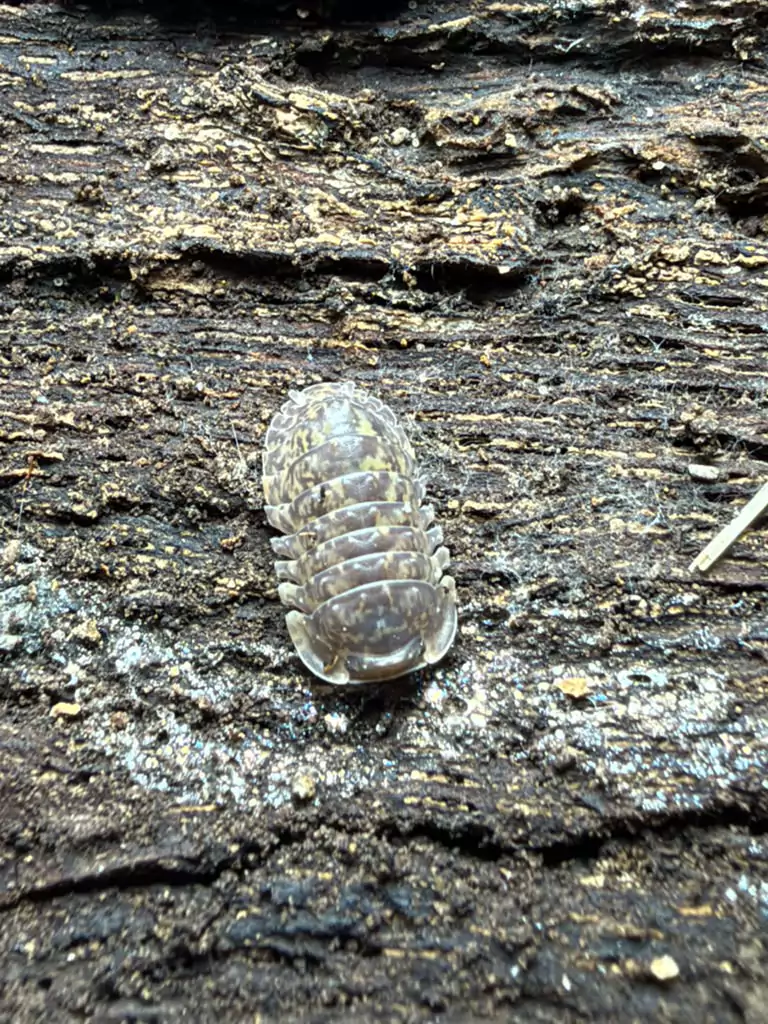
Cubaris
Megalodon Isopods
Cubaris sp. "Megalodon"
RareCare ★★★☆☆
A marbled Cubaris, with olive-yellow mottling over a smoky body and pale edges. Little has been published on this line, so the care details here are typical for Cubaris. New to our collection: ours are settling in, and we'll email sign-ups when they're ready.
Coming soon
Price TBC
Data sheet
- Scientific nameCubaris sp. "Megalodon"
- Adult sizeNot yet confirmed
- OriginCaptive bred (CB)
- DistributionNot documented
- Temperature22–26 °C
- HumidityHigh, with a moisture gradient
- Breeding rateNot well documented
- Care level★★★☆☆ (3/5, moderate)
How to keep Megalodon isopods
- Treat it like other Cubaris: warm, with a damp end, a drier end and good airflow.
- Use deep substrate with plenty of leaf litter and decaying wood.
- We'll update this page as we learn more from our own colony.
- Feed leaf litter and decaying hardwood as a staple, with cuttlebone for calcium and a small pinch of protein (fish flakes or dried shrimp) once a week.
- Use a tub with small vents and deep organic substrate (topsoil, coco fibre, leaf litter), with cork bark for hides.
Read next
- Cubaris Care Guide: Panda King, White Shark, Amethyst & More
- What Do Isopods Eat? A Complete Feeding Guide (UK)
- Why Are My Isopods Dying? 8 Common Causes and Fixes
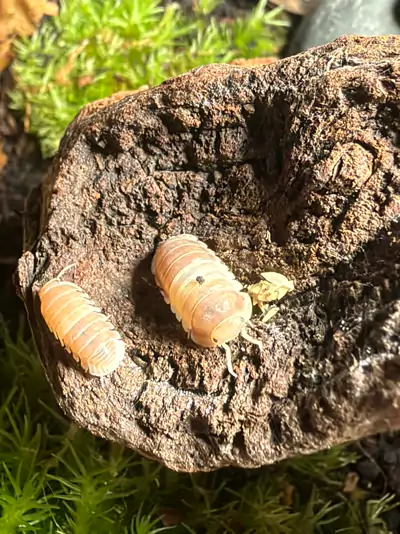 Pink Panda
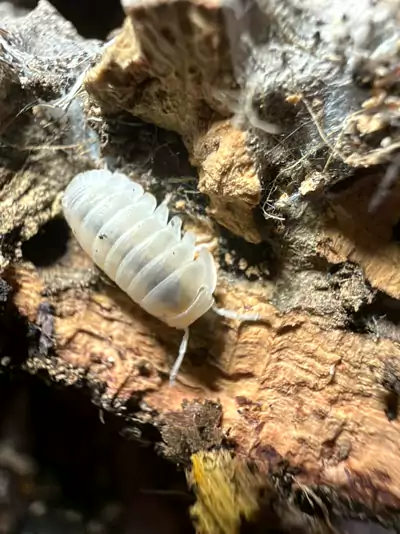 White Panda
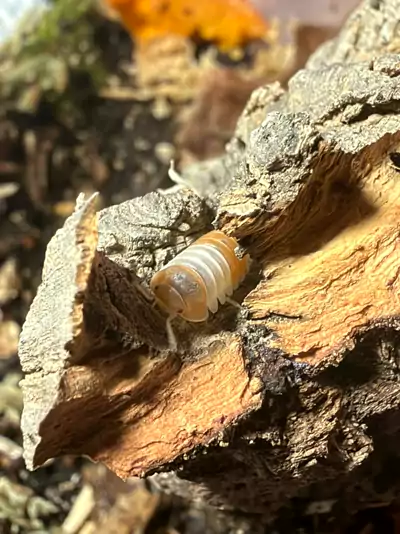 Red Panda