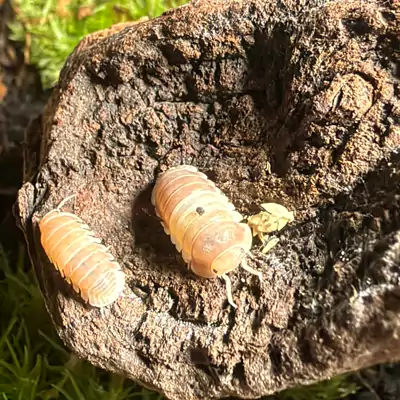
 In stock
Panda Isopods for Sale UK
The Panda isopods are a family of Cubaris morphs that come from the Panda King. We sell the Panda King itself and four morphs of it: Pink Panda, White Panda, Red Panda and Red Panda Cherry. All are captive-bred and never wild-caught.
They are small, about 1–1.2 cm, and listed at 22–26 °C as moderate care (3/5) with slow breeding. They like a warm, humid, well-ventilated tub with plenty of leaf litter, cork hides and a little moss, and they do best when disturbed as little as possible.
Captive-bred, never wild-caught · tracked courier aiming for next-day delivery, Mon–Wed dispatch · Live Arrival Guarantee
In stock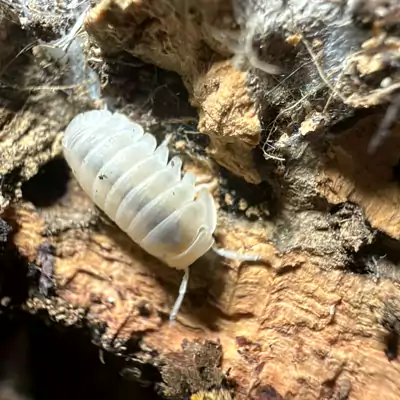 In stock
White Panda
Cubaris sp. "White Panda"Moderate care, level 3 of 5Singles from £4.49Packs of 5 from £16.99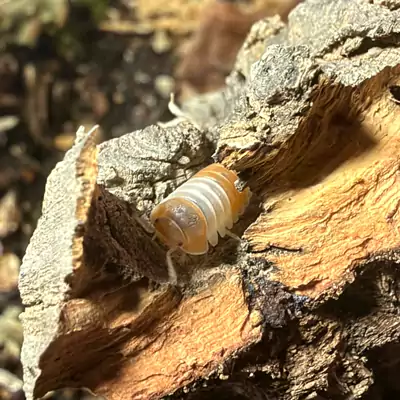 In stock
Red Panda
Cubaris sp. "Red Panda"Moderate care, level 3 of 5Singles from £3.99Packs of 5 from £14.49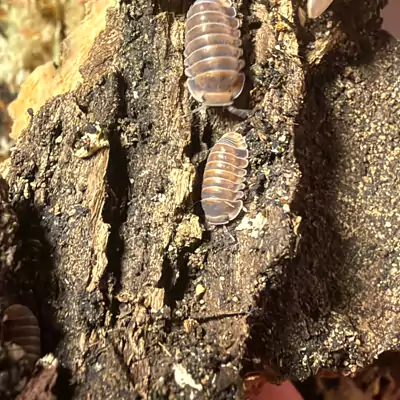 In stock
Red Panda Cherry
Cubaris sp. "Red Panda" (cherry)Moderate care, level 3 of 5Singles from £5.99Packs of 5 from £26.99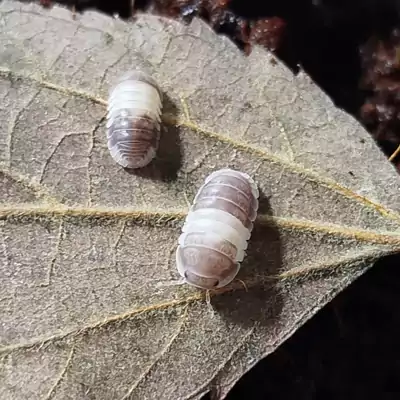 In stock
Panda King
Cubaris sp. "Panda King"Moderate care, level 3 of 5Singles from £1.99Packs of 5 from £6.49Questions
What are Panda isopods?
They are Cubaris sp. morphs from the Panda King family. The Panda King is the line the other Panda morphs here come from, and Pink Panda, White Panda, Red Panda and Red Panda Cherry are the colour forms we sell.
How big do they get, and what temperature do they need?
Our Panda listings give a size of 1–1.2 cm and a temperature of 22–26 °C, in a warm, humid and well-ventilated tub.
Are Panda isopods good for beginners?
They are moderate care (3/5) and breed slowly, so be patient. Our Cubaris guide suggests starting with Anemone and then trying the Panda King family.
What do Panda isopods eat?
Leaf litter is the base of the diet, so keep it topped up. Protein once a week helps colonies grow, and cork hides and leaf litter give them cover.