 In stock
Panda Isopod Care Guide: Pink, White and Red Panda
By Alex · Kernow Isopods, Truro, Cornwall · Published 10 November 2026
New to isopods? Start here: Best isopods for beginners · Isopod starter kit UK
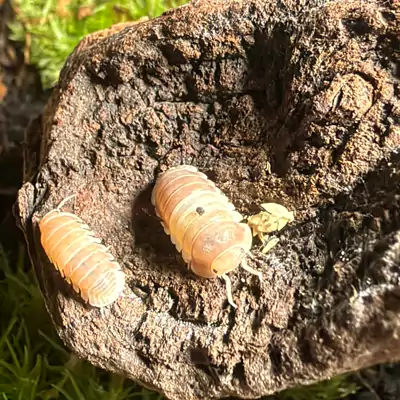
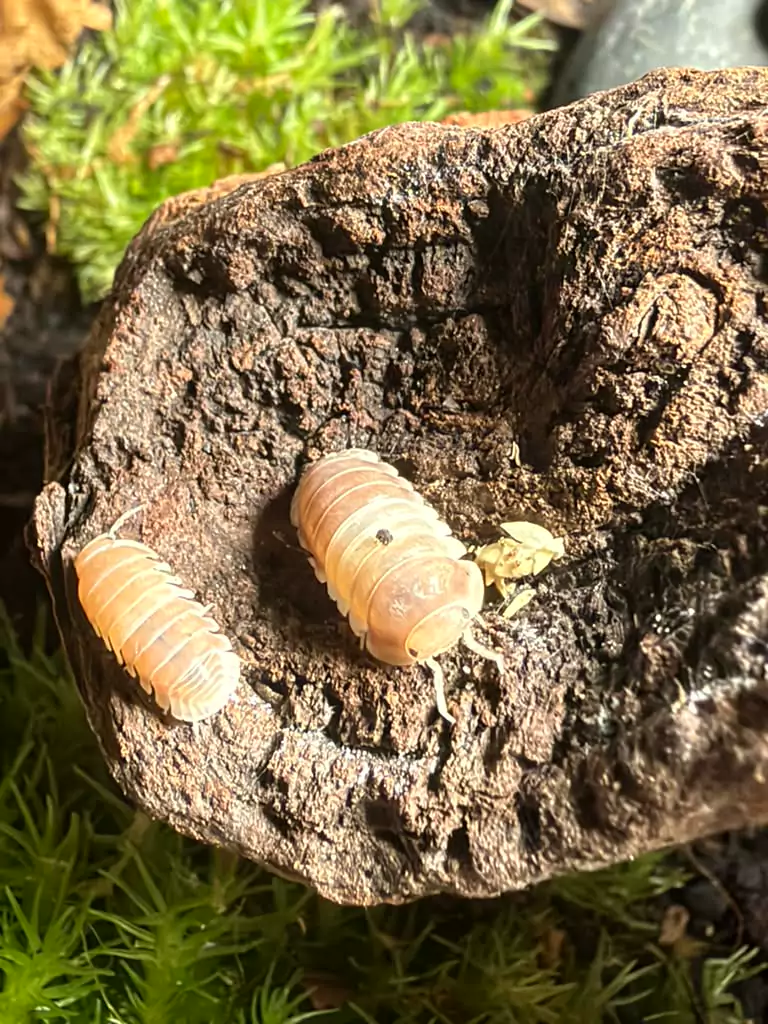
Panda isopods are a family of Cubaris morphs that come from the Panda King. They are small, colourful and slow to build up, so a little patience goes a long way. This guide covers Pink Panda, White Panda, Red Panda, Red Panda Cherry and the Panda King itself, and how we keep them in Cornwall.
Quick facts
- Size: about 1–1.2 cm
- Origin: Southeast Asia
- Temperature: 22–26 °C
- Humidity: warm and humid, with a damp area and a drier area to choose from
- Difficulty: moderate (3/5)
- Breeding: slow
All five lines share the same care, so once one is thriving you can keep the others the same way. They are part of the wider Cubaris group, and you can browse every line on our Panda isopods page.
Enclosure
A clear plastic tub of about 3–10 litres suits a starter culture. Add small vents on two opposite sides so air can flow through: Panda King lines like to be warm, humid and well ventilated. Stale, stuffy air is one of the most common causes of losses.
Substrate and moisture
Use a rich organic mix of topsoil and coco fibre with crushed leaf litter and rotten hardwood, about 5–8 cm deep. Keep one end damp with a pad of sphagnum moss and let the other end stay drier, so the isopods can choose. Moss on the damp side helps with moulting. Mist the damp side when it dries out, never the whole tub.
Temperature
Aim for 22–26 °C. Below about 20 °C Cubaris slow down and breeding may stop, so in a cool UK house in winter a small thermostat-controlled heat mat on one side of the tub helps. Keep tubs away from radiators and direct sun.
Hides and food
Give them plenty of cork bark flats and hollows to cluster under, with a thick layer of leaf litter on top. Leaf litter and rotting hardwood are the staple. Add cuttlebone for calcium, and a small pinch of protein once a week, which helps colonies grow. Remove anything fresh before it goes mouldy. Our feeding guide has the full list.
Breeding
Panda isopods breed slowly, so expect a colony to take months to build. Steady warmth, steady humidity and as little disturbance as you can manage make the biggest difference. Split the colony into a second tub as it grows, because overcrowding holds it back.
Colour varies
Colour varies from animal to animal, so yours may look lighter or darker than the photos. White Panda looks especially good on dark cork or wood.
Common problems
- Losses after a move: usually stress plus poor ventilation. Add vents and leave them in peace.
- Mould: too wet with too little air. Let the dry side dry out.
- No babies: too cold, too much disturbance, or the group is still young. Give it time.
If you are new to isopods, our colony starter guide covers the basics, and the Cubaris care guide suggests starting with Anemone before the Panda King family. For what to do when your order turns up, see unboxing and settling in, and for delivery terms see our shipping page.
Buy Panda isopods captive-bred from Kernow
In stock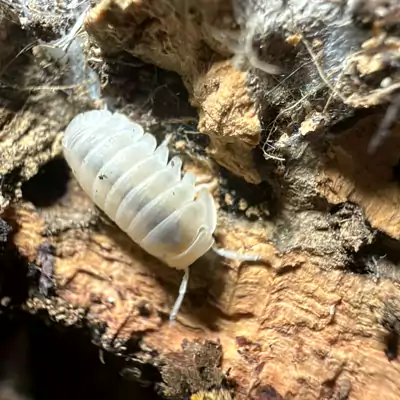 In stock
White Panda
Cubaris sp. "White Panda"Moderate care, level 3 of 5Singles from £4.49Packs of 5 from £16.99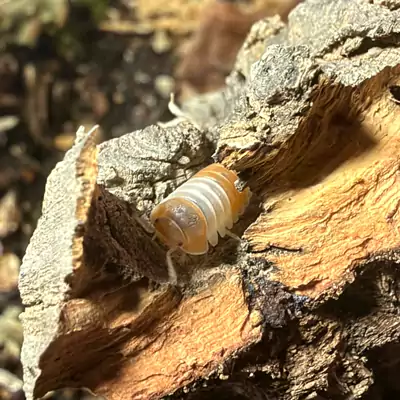 In stock
Red Panda
Cubaris sp. "Red Panda"Moderate care, level 3 of 5Singles from £3.99Packs of 5 from £14.49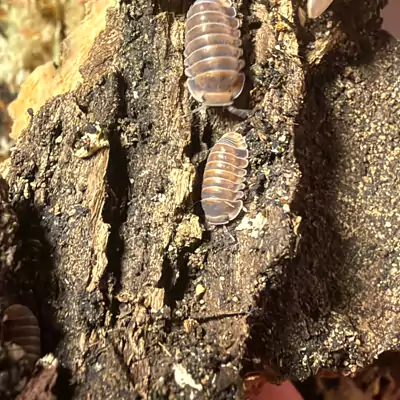 In stock
Red Panda Cherry
Cubaris sp. "Red Panda" (cherry)Moderate care, level 3 of 5Singles from £5.99Packs of 5 from £26.99More guides
- How to Start an Isopod Colony (UK Beginner's Guide)
- Best Isopods for a Clean-Up Crew (Geckos & Frogs)
- Rubber Ducky Isopod Care Guide (Cubaris sp. "Rubber Ducky")
- Cubaris Care Guide: Panda King, White Shark, Amethyst & More
- Pink Dragon Millipede Care Guide (Desmoxytes planata)
- What Do Isopods Eat? A Complete Feeding Guide (UK)
- Why Are My Isopods Dying? 8 Common Causes and Fixes
- Your Isopods Have Arrived: Unboxing and Settling In
- Isopod Substrate and Leaf Litter: A Practical UK Guide
- Magic Potion Isopod Care Guide (Armadillidium vulgare)
- White Shark Isopod Care Guide (Cubaris sp.)
- Cubaris murina Care Guide: Anemone and Glacier Isopods
- Zebra Isopod Care Guide (Armadillidium maculatum)
- Pineapple Isopod Care Guide (C. muricatum)
- Nesodillo Care Guide: Shiro Utsuri and Purple Ghost
- Vex Isopod Care Guide (Troglodillo sp.)
- Best Isopods for Beginners: 5 Easy Species (UK)
- Isopod Starter Kit UK: What You Need for a First Tub
- How Many Isopods to Start With (and for a Bioactive Tank)
- Best Isopods for a Bioactive Vivarium (UK Picks)
- Isopod Humidity and Ventilation: Moist Side, Dry Side
- How to Set Up an Isopod Enclosure, Step by Step