 In stock
Best Isopods for Beginners: 5 Easy Species (UK)
By Alex · Kernow Isopods, Truro, Cornwall · Published 18 November 2026
If you are new to isopods, the species you start with matters more than any bit of kit. The easiest ones are hardy, breed steadily and put up with the small mistakes everyone makes with a first tub. Here are the five we recommend, all captive-bred, never wild-caught, and all kept in a simple plastic tub.
What makes an isopod beginner-friendly?
- Hardy: it copes with a bit too much or too little moisture and with an ordinary room temperature.
- Breeds steadily: a colony that grows gives you a margin for error, and you can split it into a second tub when it gets crowded.
- Low care level: every species page shows a care level from "very easy" to "advanced". Start at the easy end.
- Doesn't need much heat: some Cubaris want 22–26 °C, which in a cool UK house can mean a heat mat. The Armadillidium below are happy at normal room temperatures.
The five easiest isopods to start with
Magic Potion (Armadillidium vulgare)
Care level: very easy. Temperature: 18–26 °C. Breeding: fast. A pearly pale morph of the classic pill bug that rolls into a ball when disturbed. It is the one we point most first-timers to, and it suits temperate and drier set-ups.
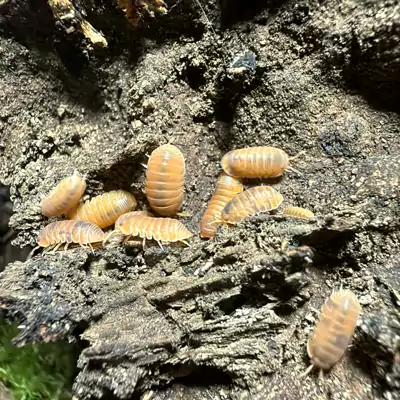
Anemone (Cubaris murina)
Care level: easy. Temperature: 22–26 °C. Breeding: fast. A bright orange morph of the classic starter Cubaris, hardy and quick to build a colony. Choose it over Magic Potion for warm, humid set-ups, and plan on a warm room or a thermostat-controlled heat mat in winter.
Glacier (Cubaris murina)
Care level: easy. Temperature: 22–26 °C. Breeding: fast. A frosty white morph of the same hardy species, with the same needs as Anemone. A good pick if you want a display tub that stands out on dark bark.
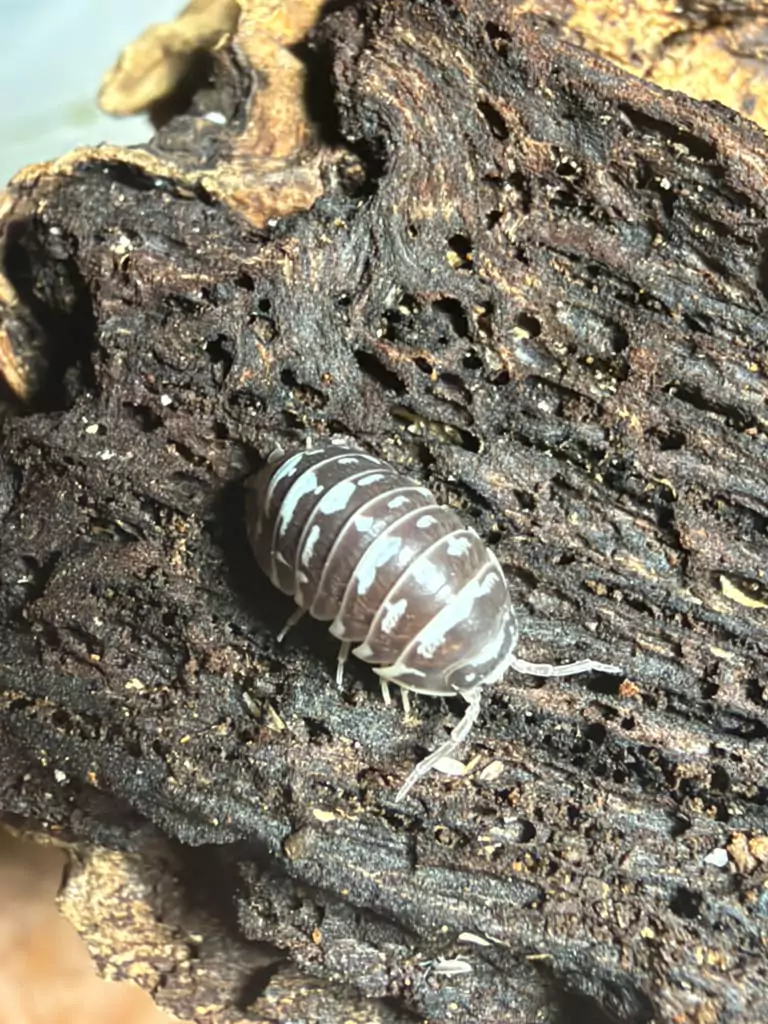
Zebra (Armadillidium maculatum)
Care level: easy. Temperature: 18–24 °C. Breeding: moderate. Bold black-and-white stripes on a chunky roller that stays out in the open. Room temperature is fine; give it a drier tub than the Cubaris, with one damp corner of moss, and always keep cuttlebone in for calcium.
White Pearl (Armadillidium granulatum)
Care level: easy. Temperature: 18–24 °C. Breeding: moderate. A pale, pearly morph developed in captivity, and a hardy choice for newer keepers. Give it a damp area, a drier area and good airflow, with plenty of leaf litter and rotting wood.
Not sure between them? Our species comparison lays the care levels and temperatures side by side, and the beginner isopods page lists every line tagged for new keepers.
Which suit a gecko or frog tank?
For a warm, humid bioactive tank (crested geckos, dart frogs) Anemone is our top clean-up crew pick. For drier or room-temperature set-ups Magic Potion or Zebra can work. Our clean-up crew guide covers the reptile and frog side, including what to avoid.
Species to leave until later
Some of the most eye-catching isopods are not first-colony animals. Vex, Blind Saturn and Thai Spikey are all rated advanced on their pages: they like stable conditions, deep damp substrate and little disturbance, and they tend to breed slowly. They are brilliant once you have a hardy colony thriving, so treat them as a second or third project.
How many should you buy?
A single can't start a colony: singles are for topping up one you already have. For a new colony choose a pack of 5 or more; our packs of 10 come with 1 free. Our guide on how many isopods to start with goes through it, and the isopod starter kit checklist covers what to have ready before they arrive.
Next steps
Once you have picked a species, follow our step-by-step guide to starting an isopod colony, and read what to do when your isopods arrive. Every order is sent by tracked courier and covered by our Live Arrival Guarantee.
Quick answers
What is the best isopod for a complete beginner?
Magic Potion is our easiest line: care level "very easy", happy at 18–26 °C and a fast breeder. It is hardy, copes with room temperature and forgives the usual first-tub mistakes.
Can I keep more than one species?
Yes, but keep each species in its own tub so they don't mix. Start with one colony, learn how it behaves, then add a second.
Should a beginner start with rare isopods?
We suggest not. Rarer Cubaris and some other genera are rated advanced on their species pages because they are slower to breed and less forgiving. Build experience with a hardy colony first.
Buy beginner-friendly isopods captive-bred from Kernow
In stock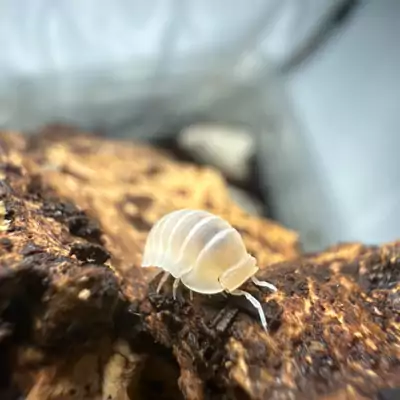 In stock
Glacier
Cubaris murina "Glacier"Easy care, level 2 of 5Singles from £2.49Packs of 5 from £8.99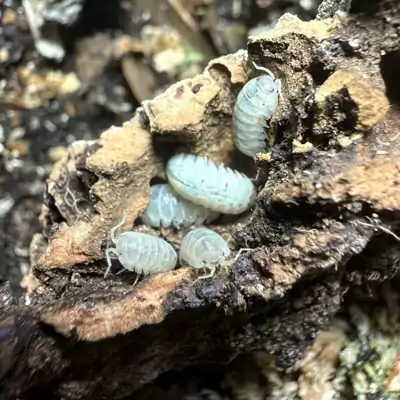 In stock
Magic Potion
Armadillidium vulgare "Magic Potion"Very easy care, level 1 of 5Pack of 5 from £8.99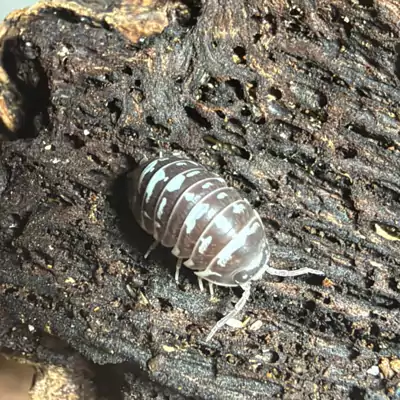 In stock
Zebra
Armadillidium maculatumEasy care, level 2 of 5Singles from £2.49Packs of 5 from £8.99More guides
- How to Start an Isopod Colony (UK Beginner's Guide)
- Best Isopods for a Clean-Up Crew (Geckos & Frogs)
- Rubber Ducky Isopod Care Guide (Cubaris sp. "Rubber Ducky")
- Cubaris Care Guide: Panda King, White Shark, Amethyst & More
- Pink Dragon Millipede Care Guide (Desmoxytes planata)
- What Do Isopods Eat? A Complete Feeding Guide (UK)
- Why Are My Isopods Dying? 8 Common Causes and Fixes
- Your Isopods Have Arrived: Unboxing and Settling In
- Isopod Substrate and Leaf Litter: A Practical UK Guide
- Panda Isopod Care Guide: Pink, White and Red Panda
- Magic Potion Isopod Care Guide (Armadillidium vulgare)
- White Shark Isopod Care Guide (Cubaris sp.)
- Cubaris murina Care Guide: Anemone and Glacier Isopods
- Zebra Isopod Care Guide (Armadillidium maculatum)
- Pineapple Isopod Care Guide (C. muricatum)
- Nesodillo Care Guide: Shiro Utsuri and Purple Ghost
- Vex Isopod Care Guide (Troglodillo sp.)
- Isopod Starter Kit UK: What You Need for a First Tub
- How Many Isopods to Start With (and for a Bioactive Tank)
- Best Isopods for a Bioactive Vivarium (UK Picks)
- Isopod Humidity and Ventilation: Moist Side, Dry Side
- How to Set Up an Isopod Enclosure, Step by Step