 In stock
Magic Potion Isopod Care Guide (Armadillidium vulgare)
By Alex · Kernow Isopods, Truro, Cornwall · Published 10 November 2026
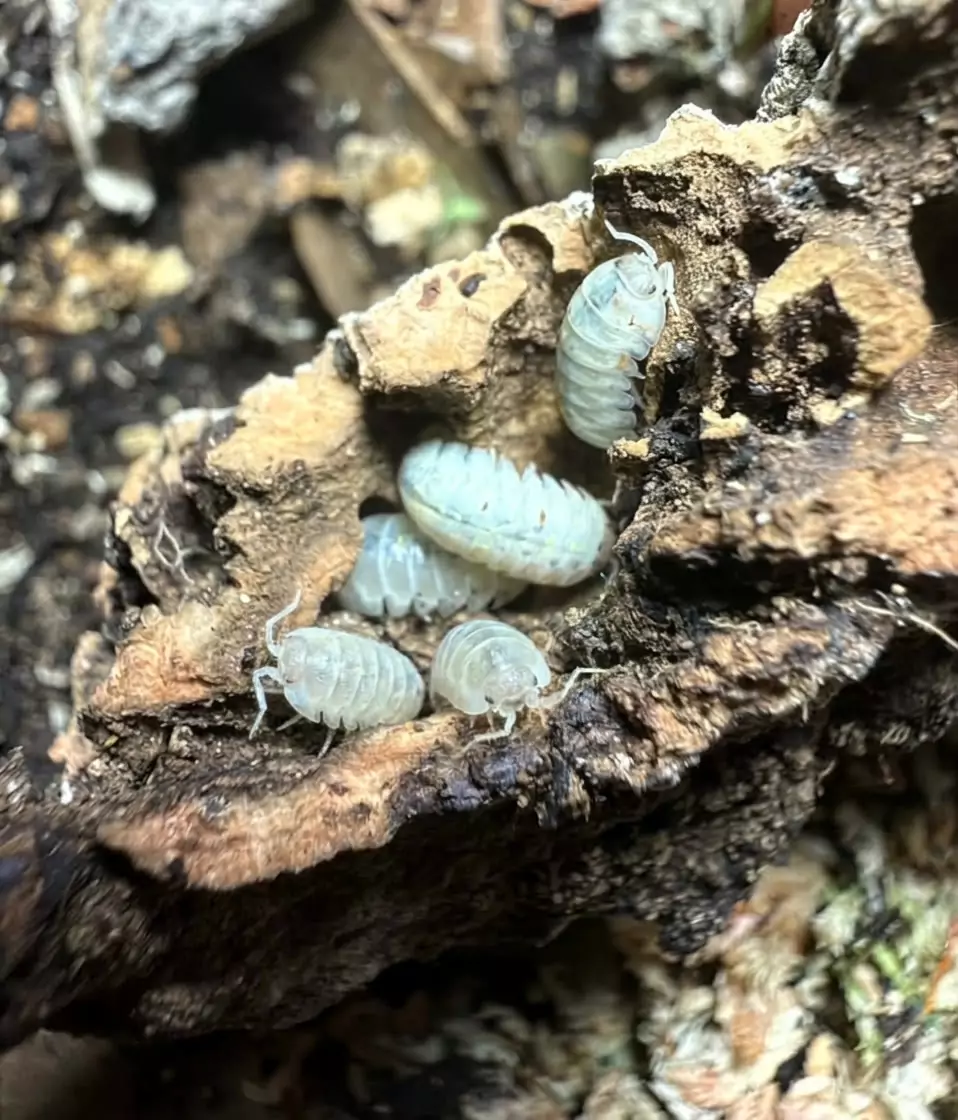
New to isopods? Start here: Best isopods for beginners · Isopod starter kit UK
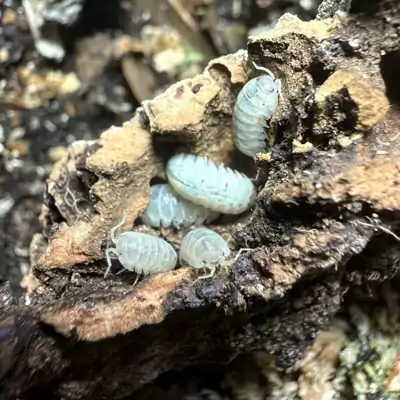
Magic Potion is a pearly, pale morph of the classic pill bug, Armadillidium vulgare. It is one of the easiest isopods there is, it rolls into a ball when disturbed, and it breeds fast. Here is how we keep Magic Potion isopods in Cornwall.
Quick facts
- Size: about 1.5–1.8 cm
- Origin: a captive morph
- Temperature: 18–26 °C, so normal room temperature is fine
- Difficulty: very easy (1/5)
- Breeding: fast
Magic Potion belongs to the Armadillidium group. You can see the other pill bug lines we keep on that page, and everything suited to a first tub on our beginner isopods page.
Enclosure
A clear plastic storage tub of about 3–10 litres is plenty for a starter culture. Drill or melt a few small holes in the sides and lid for airflow, or fit mesh vents. Keep it somewhere dark-ish, out of direct sunlight.
Substrate and moisture
Use a rich organic mix of about two parts unfertilised topsoil to one part coco fibre, with crushed leaf litter and rotten hardwood mixed in, 5–8 cm deep. Keep one half of the tub damp (mist it and add a clump of sphagnum moss) and let the other half stay drier. This gives the isopods a choice, which matters most when they moult. Do not let the whole tub dry out, and do not keep it soaking wet everywhere.
Temperature
Magic Potion tolerates a wide temperature range, 18–26 °C, so most UK rooms suit it without a heat mat. That makes it a good choice for an unheated setup, as long as there is a damp refuge.
Food
- Staple: leaf litter and decaying hardwood, always available.
- Calcium: a piece of cuttlebone or crushed eggshell for healthy moults.
- Protein: a pinch of fish flakes or dried shrimp once a week.
- Veg: small pieces of squash, carrot or cucumber, with leftovers removed before they go mouldy.
Breeding
Magic Potion breeds fast. You will usually see babies, called mancae, within a couple of months. They breed best when left alone, so check sparingly. When the tub gets crowded, split the colony into a second tub so food does not run out.
As a clean-up crew
Magic Potion can work as a clean-up crew for temperate and drier setups, such as leopard geckos and other semi-arid builds, if there is a permanently damp hide of moss under cork bark and you keep a backup culture in a tub to top up what gets eaten. For warm, humid vivariums, Anemone is the better choice. We do not recommend our isopods for fully arid tanks. See our clean-up crew guide for more.
Common problems
- Mould or stale air: not enough ventilation. Add vents.
- Dying off: usually the whole tub drying out. Keep the damp side damp.
- Slow breeding: too much disturbance, or the colony is still young.
Next, read our guide to starting a colony and the substrate and leaf litter guide. Delivery terms are on our shipping page.
Buy Magic Potion isopods captive-bred from Kernow
In stockMore guides
- How to Start an Isopod Colony (UK Beginner's Guide)
- Best Isopods for a Clean-Up Crew (Geckos & Frogs)
- Rubber Ducky Isopod Care Guide (Cubaris sp. "Rubber Ducky")
- Cubaris Care Guide: Panda King, White Shark, Amethyst & More
- Pink Dragon Millipede Care Guide (Desmoxytes planata)
- What Do Isopods Eat? A Complete Feeding Guide (UK)
- Why Are My Isopods Dying? 8 Common Causes and Fixes
- Your Isopods Have Arrived: Unboxing and Settling In
- Isopod Substrate and Leaf Litter: A Practical UK Guide
- Panda Isopod Care Guide: Pink, White and Red Panda
- White Shark Isopod Care Guide (Cubaris sp.)
- Cubaris murina Care Guide: Anemone and Glacier Isopods
- Zebra Isopod Care Guide (Armadillidium maculatum)
- Pineapple Isopod Care Guide (C. muricatum)
- Nesodillo Care Guide: Shiro Utsuri and Purple Ghost
- Vex Isopod Care Guide (Troglodillo sp.)
- Best Isopods for Beginners: 5 Easy Species (UK)
- Isopod Starter Kit UK: What You Need for a First Tub
- How Many Isopods to Start With (and for a Bioactive Tank)
- Best Isopods for a Bioactive Vivarium (UK Picks)
- Isopod Humidity and Ventilation: Moist Side, Dry Side
- How to Set Up an Isopod Enclosure, Step by Step