 In stock
Isopod Starter Kit UK: What You Need for a First Tub
By Alex · Kernow Isopods, Truro, Cornwall · Published 18 November 2026
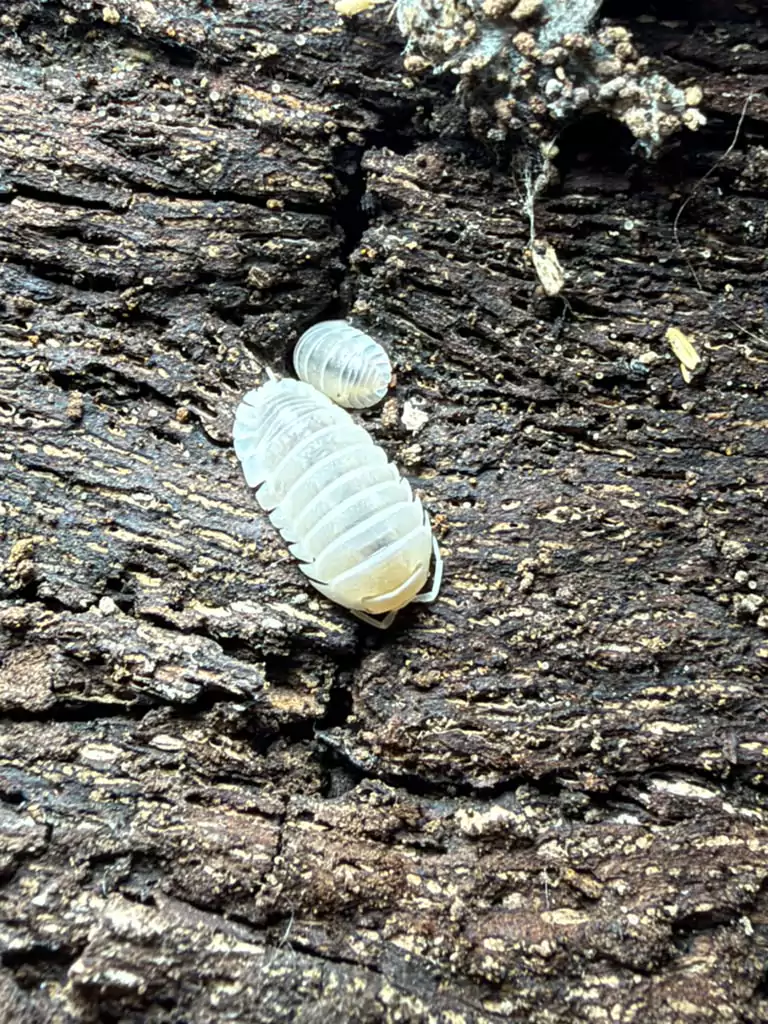
You don't need a shelf of specialist gear to keep isopods. A first colony needs a plastic tub, some airflow, rich substrate, leaf litter, somewhere to hide, a calcium source and a little food. This is a checklist of what to have ready, so you can set the tub up a day or two before your isopods arrive.
A note on what we do and don't do: we breed and sell captive-bred isopods and millipedes, never wild-caught. Alongside the animals you can add two supplies to an isopod order: our hand-mixed Premium Isopod Soil and Braplast tubs with lids (1.3 L and 3.0 L). Everything else below is for you to pick up elsewhere. It is a checklist, not a kit.
The short list
- A clear plastic tub, about 3–10 litres
- Ventilation: small holes or mesh vents on two sides and in the lid
- Organic substrate, 5–8 cm deep (topsoil with no added fertiliser, plus coco fibre)
- Leaf litter (oak or beech) and rotten hardwood
- Cork bark flats for cover
- Sphagnum moss for the damp end
- Cuttlebone or crushed eggshell for calcium
- A spray bottle to mist the damp end
- Fish flakes or dried shrimp for the occasional protein top-up
Tub and ventilation
A clear plastic storage tub of about 3–10 litres is perfect for a starter culture. Drill or melt a few small holes in the sides and lid, or fit mesh vents. Stagnant, stuffy air is one of the most common causes of losses, so don't skip this. Place the tub somewhere dark-ish, out of direct sunlight.
Substrate and leaf litter
Isopods eat their bedding, so make it rich: organic topsoil with no added fertiliser, coco fibre, crushed leaf litter and rotten hardwood, 5–8 cm deep. Keep one half damp and the other drier so they can choose, especially when moulting. Our substrate and leaf litter guide has the details. Cork bark flats on top give them somewhere to cluster and double as food.
Food and calcium
Leaf litter and decaying hardwood are the staple and should always be available. Add cuttlebone or crushed eggshell for healthy moults, and a pinch of fish flakes or dried shrimp now and then. Remove anything uneaten before it goes mouldy. See what isopods eat for the full feeding guide.
What you don't need
- A heat mat for the hardy room-temperature species. Magic Potion, Zebra and White Pearl are happy at normal room temperatures. Cubaris such as Anemone want 22–26 °C, which in a cool UK house may mean a warm room or a thermostat-controlled heat mat.
- Fancy kits. A plain tub, good airflow and good leaf litter matter far more than a display set-up.
- Lots of gear to start. You can add to it as your colony grows.
Choosing your animals
A single can't start a colony: singles are for adding to one you already have. For a new colony choose a pack of 5 or more; our packs of 10 come with 1 free. The easiest species are in our best isopods for beginners guide and on the beginner isopods page, and how many isopods to start with explains the pack sizes.
When the parcel arrives
Everything is sent by tracked courier and covered by our Live Arrival Guarantee; see shipping for the details. When it lands, open it indoors straight away and follow what to do when your isopods arrive. Then leave them alone for a week or so.
Ready to assemble it? Follow how to set up an isopod enclosure step by step.
Quick answers
Do you sell isopod starter kits?
No kits. We breed and sell captive-bred isopods and millipedes, and you can add our isopod soil and 1.3 L or 3.0 L tubs with lids to an isopod order. The rest of this checklist is cheap and easy to find.
Do I need a heat mat?
Not for the hardy Armadillidium such as Magic Potion, Zebra and White Pearl, which are happy at room temperature. Cubaris such as Anemone want 22–26 °C, so in a cool house give them a warm room or a thermostat-controlled heat mat.
How big a tub do I need?
A clear plastic storage tub of about 3–10 litres is plenty for a starter culture.
Good first isopods
In stock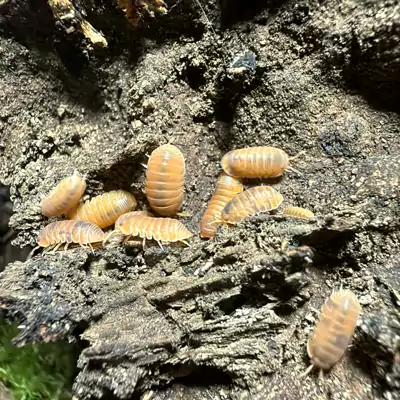 In stock
Anemone
Cubaris murina "Anemone"Easy care, level 2 of 5Singles from £2.49Packs of 5 from £10.99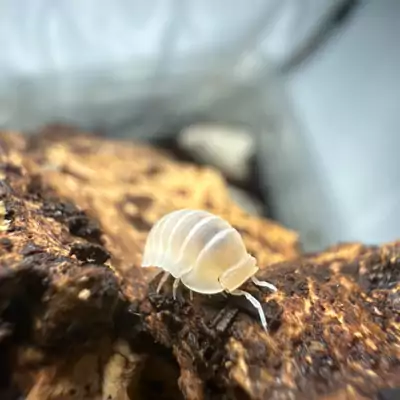 In stock
Glacier
Cubaris murina "Glacier"Easy care, level 2 of 5Singles from £2.49Packs of 5 from £8.99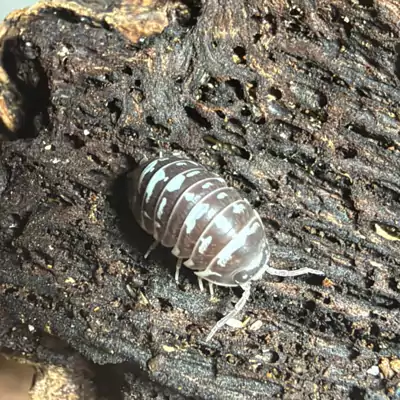 In stock
Zebra
Armadillidium maculatumEasy care, level 2 of 5Singles from £2.49Packs of 5 from £8.99More guides
- How to Start an Isopod Colony (UK Beginner's Guide)
- Best Isopods for a Clean-Up Crew (Geckos & Frogs)
- Rubber Ducky Isopod Care Guide (Cubaris sp. "Rubber Ducky")
- Cubaris Care Guide: Panda King, White Shark, Amethyst & More
- Pink Dragon Millipede Care Guide (Desmoxytes planata)
- What Do Isopods Eat? A Complete Feeding Guide (UK)
- Why Are My Isopods Dying? 8 Common Causes and Fixes
- Your Isopods Have Arrived: Unboxing and Settling In
- Isopod Substrate and Leaf Litter: A Practical UK Guide
- Panda Isopod Care Guide: Pink, White and Red Panda
- Magic Potion Isopod Care Guide (Armadillidium vulgare)
- White Shark Isopod Care Guide (Cubaris sp.)
- Cubaris murina Care Guide: Anemone and Glacier Isopods
- Zebra Isopod Care Guide (Armadillidium maculatum)
- Pineapple Isopod Care Guide (C. muricatum)
- Nesodillo Care Guide: Shiro Utsuri and Purple Ghost
- Vex Isopod Care Guide (Troglodillo sp.)
- Best Isopods for Beginners: 5 Easy Species (UK)
- How Many Isopods to Start With (and for a Bioactive Tank)
- Best Isopods for a Bioactive Vivarium (UK Picks)
- Isopod Humidity and Ventilation: Moist Side, Dry Side
- How to Set Up an Isopod Enclosure, Step by Step