 In stock
Isopod Humidity and Ventilation: Moist Side, Dry Side
By Alex · Kernow Isopods, Truro, Cornwall · Published 18 November 2026
New to isopods? Start here: Best isopods for beginners · Isopod starter kit UK
Humidity and ventilation are the two things that decide whether a tub of isopods thrives or struggles. The aim is simple: a damp end, a drier end, and fresh air moving through. Get those right and most other problems become much easier to avoid. All our isopods are captive-bred, never wild-caught.
Why moisture matters
Isopods breathe through gill-like organs that need moisture. If the whole tub dries out, they dehydrate fast. If the whole tub is soaking, waterlogged substrate drowns babies and breeds mould and bacteria. The answer is not a middle setting: it is a choice.
The moist side and the dry side
- Keep one end of the tub damp: wet substrate and a clump of sphagnum moss.
- Let the other end stay drier, so the isopods can choose the humidity they need. This is especially important when they moult.
- Check the damp end every few days, and never let it fully dry.
- Check the substrate itself rather than relying on a humidity number.
How to mist
Mist the damp side when it starts to dry, never the whole tub. If water pools in the bottom, mix in dry substrate or start again. Our substrate and leaf litter guide explains how to build a base that holds moisture without becoming waterlogged.
Ventilation and airflow
Drill or melt a few small holes in the sides and lid, or fit mesh vents, ideally on two opposite sides so air can flow through. Stagnant, stuffy air is one of the most common causes of losses. A sealed, steamy tub kills sensitive species even if the humidity looks perfect, and condensation should not be constantly dripping down every wall. Humid and fresh is the goal.
Different species, different balance
- Cubaris such as Anemone and Glacier want a humid but fresh tub, with plenty of small vents. The damp side must never fully dry. See the Cubaris care guide.
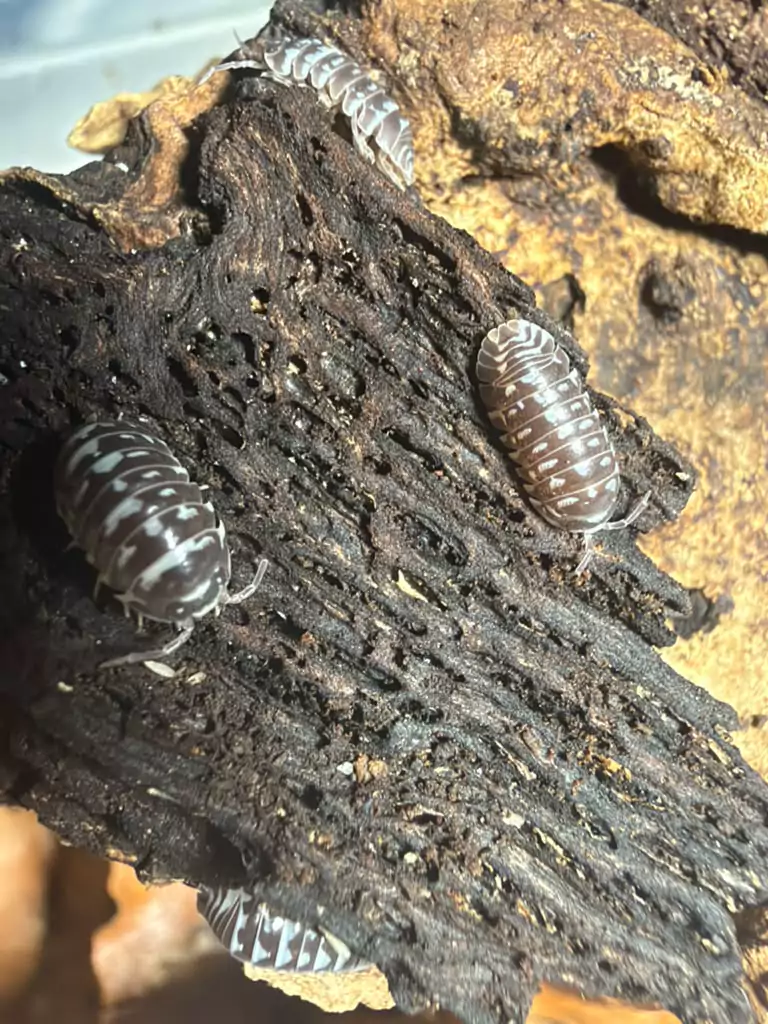
- Armadillidium such as Zebra, Magic Potion and White Pearl like a drier tub: one damp corner with a clump of sphagnum moss is enough.
Mould, stale air and pests
- Mould or sour smell: not enough ventilation, or too much food. Remove anything uneaten, review airflow and moisture, and do not simply add more food.
- Standing water: too wet. Mix in dry substrate.
- Small white grain mites: usually harmless; they appear when there is excess food and moisture.
- Steady losses: usually point to ventilation, moisture or heat. Work through our why are my isopods dying guide.
In a vivarium
The same rules apply in a bioactive tank: leave a moist area, keep the damp hide permanently damp, and make sure there is airflow. For which species suit which enclosure, see best isopods for a bioactive vivarium.
Setting up a tub from scratch? Follow how to set up an isopod enclosure or how to start an isopod colony.
Quick answers
How humid should an isopod tub be?
Check the substrate rather than relying on a humidity number. One end should stay damp, the other drier, so the isopods can choose. The whole tub should not be soggy.
How often should I mist an isopod tub?
Mist the damp side when it starts to dry, never the whole tub. Check the damp end every few days.
Why is there mould in my isopod tub?
Mould and stale air usually mean not enough ventilation, too much food or too much moisture. Remove uneaten food before it goes mouldy and review airflow before adding anything.
Do isopods need ventilation?
Yes. Stagnant, stuffy air is one of the most common causes of losses, especially for Cubaris. Add small vents on two opposite sides so air can flow through.
Buy humidity-and-airflow isopods captive-bred from Kernow
In stock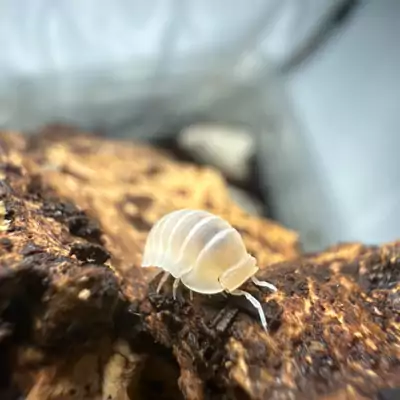 In stock
Glacier
Cubaris murina "Glacier"Easy care, level 2 of 5Singles from £2.49Packs of 5 from £8.99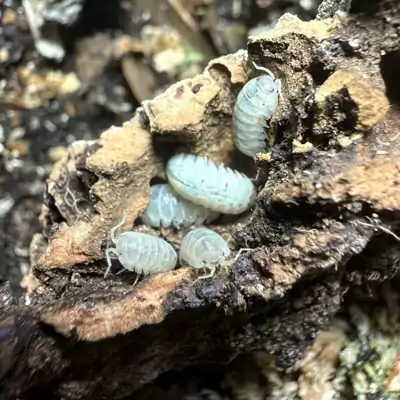 In stock
Magic Potion
Armadillidium vulgare "Magic Potion"Very easy care, level 1 of 5Pack of 5 from £8.99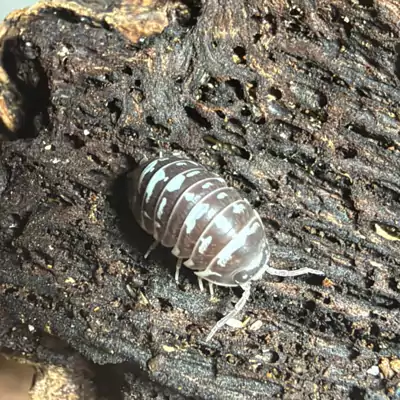 In stock
Zebra
Armadillidium maculatumEasy care, level 2 of 5Singles from £2.49Packs of 5 from £8.99More guides
- How to Start an Isopod Colony (UK Beginner's Guide)
- Best Isopods for a Clean-Up Crew (Geckos & Frogs)
- Rubber Ducky Isopod Care Guide (Cubaris sp. "Rubber Ducky")
- Cubaris Care Guide: Panda King, White Shark, Amethyst & More
- Pink Dragon Millipede Care Guide (Desmoxytes planata)
- What Do Isopods Eat? A Complete Feeding Guide (UK)
- Why Are My Isopods Dying? 8 Common Causes and Fixes
- Your Isopods Have Arrived: Unboxing and Settling In
- Isopod Substrate and Leaf Litter: A Practical UK Guide
- Panda Isopod Care Guide: Pink, White and Red Panda
- Magic Potion Isopod Care Guide (Armadillidium vulgare)
- White Shark Isopod Care Guide (Cubaris sp.)
- Cubaris murina Care Guide: Anemone and Glacier Isopods
- Zebra Isopod Care Guide (Armadillidium maculatum)
- Pineapple Isopod Care Guide (C. muricatum)
- Nesodillo Care Guide: Shiro Utsuri and Purple Ghost
- Vex Isopod Care Guide (Troglodillo sp.)
- Best Isopods for Beginners: 5 Easy Species (UK)
- Isopod Starter Kit UK: What You Need for a First Tub
- How Many Isopods to Start With (and for a Bioactive Tank)
- Best Isopods for a Bioactive Vivarium (UK Picks)
- How to Set Up an Isopod Enclosure, Step by Step